Best Studio Monitors 2026: A Guide for Every Room and Budget
Why Studio Monitors Matter (And Why Regular Speakers Don’t)
Studio monitors are not designed to sound “good.” They are designed to sound honest. A flat, uncolored frequency response means you hear exactly what is in your mix — every flaw, every harsh frequency, every muddy low end. Consumer speakers and headphones artificially boost bass and treble to make music sound “better,” which tricks your brain into thinking a mix sounds great when it doesn’t.
If you mix on regular speakers, your mixes will sound great in your room — and terrible everywhere else. Studio monitors prevent this. We may earn a commission if you buy through our links.
How to Choose the Right Studio Monitor
Three factors determine which monitor is right for you:
- 1. Woofer Size: 3-5 inch for small bedrooms. 6-8 inch for mid-size rooms. 8+ inch for large studios.
- 2. Room Size: Too much monitor for a small room = boomy, inaccurate bass. Match the monitor to the room.
- 3. Budget: You can get a great pair for $300. Beyond $1000, you’re paying for diminishing returns — unless you’re mastering.
Tier 1: Best Budget Studio Monitors Under $300/pair
You don’t need to spend a fortune. These monitors deliver accurate sound for home studios, bedroom producers, and content creators.
1. PreSonus Eris E3.5 BT — Best Desktop Pair
The PreSonus Eris E3.5 is the #1 best-selling studio monitor pair on Amazon. With 3.5-inch woofers, they’re perfect for small desktops. They have Bluetooth (rare for studio monitors), front-panel volume control, and a headphone jack. If you’re just starting out, these are hard to beat for the price.
2. Rockville Active Studio Monitors — Budget Value
Rockville offers surprising value for budget-conscious producers. They deliver punchy low-end and clear highs, though not as refined as the Yamaha or Adam options below.
Tier 2: Best Mid-Range Studio Monitors ($300–$700/pair)
3. Yamaha HS5 — The Industry Standard
The Yamaha HS5 is the most recognized studio monitor in the world — that iconic white cone is synonymous with professional mixing. The HS series is famous for its brutally honest midrange: if your mix sounds good on HS5s, it will translate well to any system. They are unforgiving, which makes them the ultimate mixing tool.

🔥 Yamaha HS5 Pair ($397) — Check Price on Amazon →
📈 Price History (30 days)
4. Adam T7V — Best Sound for the Money
The Adam T7V features a proprietary U-ART tweeter that delivers crystal-clear highs with incredible detail. The 7-inch woofer provides deep, controlled bass down to 39Hz. For producers who want premium sound without the premium price tag, the T7V is the best value in its class.
Tier 3: Best Premium Studio Monitors ($700+)
5. Yamaha HS8 — For Larger Rooms
If you have a larger room (15x15ft or bigger), the HS8 adds an 8-inch woofer for extended low-end response. Same iconic HS sound, more bass. Ideal for electronic music, hip-hop, and any genre where low-frequency accuracy is critical.
👉 Compare all Studio Monitors — See best prices →
Room Treatment: The Secret Weapon
A $2000 pair of monitors in an untreated room sounds worse than a $200 pair in a treated room. Room acoustics affect what you hear more than any gear upgrade.
Start with bass traps in the corners. Then add acoustic panels at your first reflection points (the spot on the wall where sound bounces from the monitors to your ears). A budget of $100–$200 for acoustic treatment will transform your mixing decisions.
👉 Compare all Acoustic Treatment — See best prices →
Mixing on Headphones: When Monitors Aren’t an Option
If you can’t use monitors (apartment, thin walls, late nights), high-quality studio headphones are your alternative. The Audio-Technica ATH-M50x and Beyerdynamic DT 770 Pro are the two most popular mixing headphones in the world. They don’t replace monitors, but they’re essential for checking mix details.

🔥 Sony MDR-7506 (Industry Standard) — Check Price on Amazon →
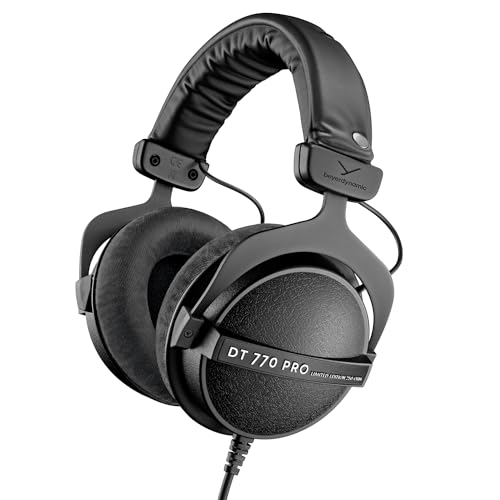
🔥 Beyerdynamic DT 770 Pro — Check Price on Amazon →
👉 Compare all Studio Headphones — See best prices →
You Need an Audio Interface
Studio monitors use balanced TRS or XLR inputs — you can’t plug them directly into a laptop headphone jack. An audio interface converts your computer’s digital signal to the balanced analog signal that monitors require.
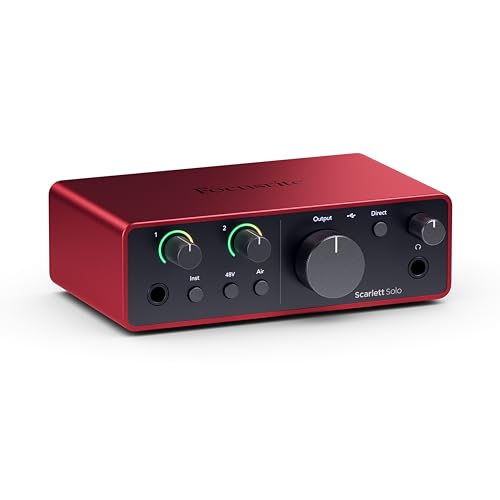
🔥 Focusrite Scarlett Solo 4th Gen ($129) — Check Price on Amazon →
🔥 Focusrite Scarlett 2i2 4th Gen ($189) — Check Price on Amazon →
👉 Compare all Audio Interfaces — See best prices →
Don’t Forget Cables
Studio monitors require balanced cables (TRS or XLR) to minimize noise and interference. Don’t use cheap guitar cables — invest in quality balanced cables (Hosa or Mogami) for the cleanest signal.
👉 Compare all Audio Cables — See best prices →
Frequently Asked Questions
Can I use regular speakers as studio monitors?
No. Regular speakers (Bluetooth speakers, hi-fi speakers, computer speakers) artificially boost certain frequencies to make music sound “better.” This gives you a false impression of your mix. Studio monitors have a flat frequency response so you hear exactly what’s in your recording.
Do I need one or two studio monitors?
You need a pair (two). Mixing in stereo requires left and right channels. A single monitor gives you mono, which is useless for modern mixing. Always buy monitors as a pair.
What size studio monitor do I need?
For bedrooms and small home studios (under 10x10ft): 3–5 inch woofer. For mid-size rooms (10x12 to 15x15ft): 5–7 inch. For large studios: 8+ inch. Bigger is not better — too much woofer in a small room creates bass buildup and inaccurate mixes.
How much should I spend on studio monitors?
For beginners: $200–$300/pair gets you solid accuracy (PreSonus Eris, Rockville). For serious home studios: $400–$700/pair (Yamaha HS5, Adam T7V). For professional mixing/mastering: $1000+ (Focal, Genelec, Adam A7X).
Do I need a subwoofer?
Only if you produce bass-heavy music (EDM, hip-hop, film scoring) and your monitors don’t reproduce below 40Hz. For most home studios, a 5–7 inch monitor pair is sufficient. Adding a sub in an untreated room often creates more problems than it solves.
Final Thoughts
The best studio monitor is the one that fits your room and budget. Don’t overspend on monitors before treating your room — acoustic treatment is always the better investment. Once your room is treated, invest in the best monitors you can afford, and your mixes will never sound the same.
Set up a price alert on any monitor above and we’ll notify you the moment it drops to its lowest price.
